Restaurants rarely have a shortage of things to post. The problem is usually deciding what is worth showing and how to avoid filling the feed with the same plate of food photographed in slightly different ways.
When we plan content for restaurants, we normally build the month around a few repeatable themes. That gives the account variety without making the content feel random.
A good restaurant feed should help somebody understand three things quickly: what the food looks like, what the place feels like and why they should visit.
Start with the food, but do not stop there
Food should obviously be a major part of a restaurant’s social media, but a feed made up of nothing but finished dishes can become repetitive very quickly.
We usually want a mixture of hero dishes and smaller details. A hero dish is something that can carry an entire post by itself: a signature burger, a curry being served, a breakfast plate, a dessert or a new menu item.
Then we use supporting content around it: sauces being poured, meat coming off the grill, bread being finished, a drink being made or a table being set. Those smaller moments make the account feel more like the real business rather than a catalogue.
For many restaurants, four or five strong food-focused posts in a month is enough if the rest of the content shows other parts of the experience.
Show the food being made
Preparation content works well because it gives people something they cannot see from a menu.
A ten-second Reel of a pizza going into the oven, a burger being built, a chef finishing a plate or a coffee being poured can communicate freshness and atmosphere without needing a long explanation.
We normally keep this type of video simple. It does not need a complicated script. The action itself is the content.
Useful clips to collect during a restaurant shoot include:
- Food going onto the grill or into the pan.
- A chef adding the final garnish.
- A sauce being poured.
- A drink being made.
- A plate leaving the pass.
- A table being filled with several dishes.
One short filming session can give you enough clips for several Reels instead of trying to film something new every time you want to post.
Show what it feels like to visit
Somebody deciding where to eat is not only choosing the food. They are also choosing the setting.
That means the room, tables, lighting, staff and general atmosphere deserve space on the feed too.
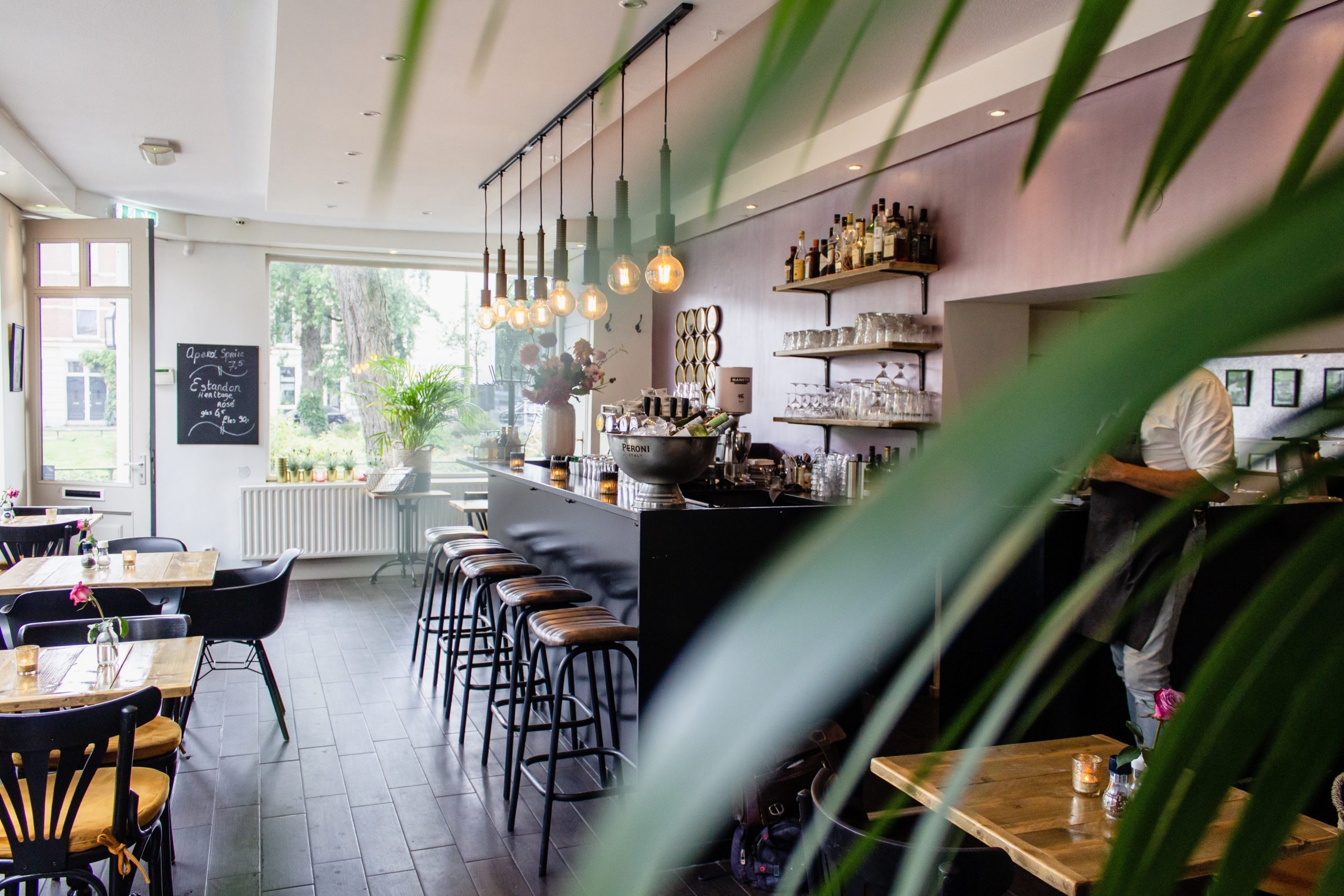
If you have a busy Friday service, a quiet coffee area, an outdoor terrace, a private room or a bar, show it. A potential customer should be able to look through the account and get a reasonable idea of what visiting will feel like.
For restaurants that rely heavily on evening trade, we would make sure some photography is taken during the evening rather than using only bright daytime content. The feed should reflect the actual experience customers are buying.
Use offers without turning the whole page into offers
Offers are useful, but if every second post says 10% off, two-for-one or order now, the account can start to feel like a noticeboard.
We normally separate promotional content from regular content. If there is a strong offer, give it a clear post and make the information easy to understand. Then go back to showing the food and business normally.
A useful balance for many restaurants is one or two direct promotional posts in a month, unless the business has a genuinely time-sensitive campaign running.
Answer the questions customers already ask
Some of the best content ideas come from questions staff hear every week.
Do you deliver? Is there parking nearby? Do you have vegetarian options? Can large groups book? Do you serve breakfast all day? Are there gluten-free choices?
Those answers can become useful social posts. They are less visually exciting than a close-up of a dish, but they remove uncertainty for somebody deciding whether to visit or order.
We often combine the answer with a strong photo so the post still looks good in the feed.
People and staff make the account feel real
A restaurant is not only its menu. Showing the people behind it can make the page feel much more personal.
You do not need formal staff portraits every week. A chef at work, somebody carrying plates, a barista making coffee or the team preparing for service can all work.
The important part is that it looks natural. We prefer documenting people doing their job rather than stopping the entire restaurant to stage something that does not normally happen.
What we would post in a typical month
For a restaurant posting around ten times a month, we might use a structure like this:
- 3 food hero posts showing strong menu items.
- 2 Reels showing preparation or service.
- 1 atmosphere post showing the restaurant itself.
- 1 staff or behind-the-scenes post.
- 1 customer question or useful information post.
- 1 offer or event post.
- 1 flexible post for something timely that happens that month.
That gives the account enough variation without making the content plan unnecessarily complicated.
Do not photograph everything the same way
Visual variety matters too.
If every plate is photographed from directly above on the same table, the feed becomes predictable even if the dishes are different.
We normally mix wider table shots, close details, overhead images, lower angles and images showing hands or people. The restaurant should still have a recognisable visual style, but the individual posts should not all look identical.
The best restaurant content usually comes from the restaurant itself
You do not need to constantly invent campaigns to keep a restaurant active on social media.
The food being cooked, tables filling up, staff working, drinks being made and customers enjoying the space are already happening. The job is to capture those moments well and turn them into a consistent stream of content.
When we plan restaurant social media, that is usually where we start: show the food, show the people, show the atmosphere and give customers useful reasons to visit.